
Recommended Supplies
A few of these are Karen Pryor Clicker Training affiliate links; all are products we have included solely because we recommend the items so frequently that it made sense to assemble them in one place.
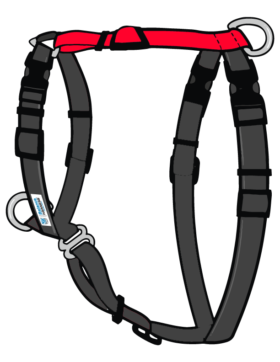
Balance Harness Nonrestrictive harness with two D-rings to choose from or use together, plus an option to buckle around the neck rather than go over the head. My default recommendation.

Ruffwear harnesses A good nonrestrictive, padded option for a back clip harness if your dog is OK with putting his head through to get dressed.

Gooby Escape Free Easy Fit Harness (for small dogs) Easy to fit to small dogs for whom over-the-head harnesses are too loose. We tend to prefer over the head or buckle neck harnesses over step-in harnesses, though, because it’s easier to teach dogs to voluntarily help put them on.

Bold Lead Designs leashes, especially the versatile 8x8 and Atlas designs, but their plain leashes are also beautifully made. Their “Brahma” is similar to biothane, soft and grippy, and and their leather leashes feel great in hand.

Trailblazing Tails leashes A wide variety of adaptable, customizable, good looking biothane leashes. I love the long line with the optional tab to create an over-the-shoulder or hip-worn leash. If you are a client of mine, ping me to get a 15% off promo code for these!

Biothane backup connector to connect front clip of harness to D-ring on collar in case the dog slips out of one or the other. More secure than double clipping the leash to both. Good idea if there is any concern that the dog might pull backward out of a harness if spooked. Trailblazing Tails also makes these.

Palomine Lines custom length biothane leashes: They can make any length. No bells and whistles, but if you email after ordering, you can make a special request that grommets be placed at any point along the longer leashes (not just the ones that come up as options in the dropdown menu). E.g., on a 15-footer, you could have one at 6 feet and one at 10 feet, so you can tell by feel how much leash is let out,.
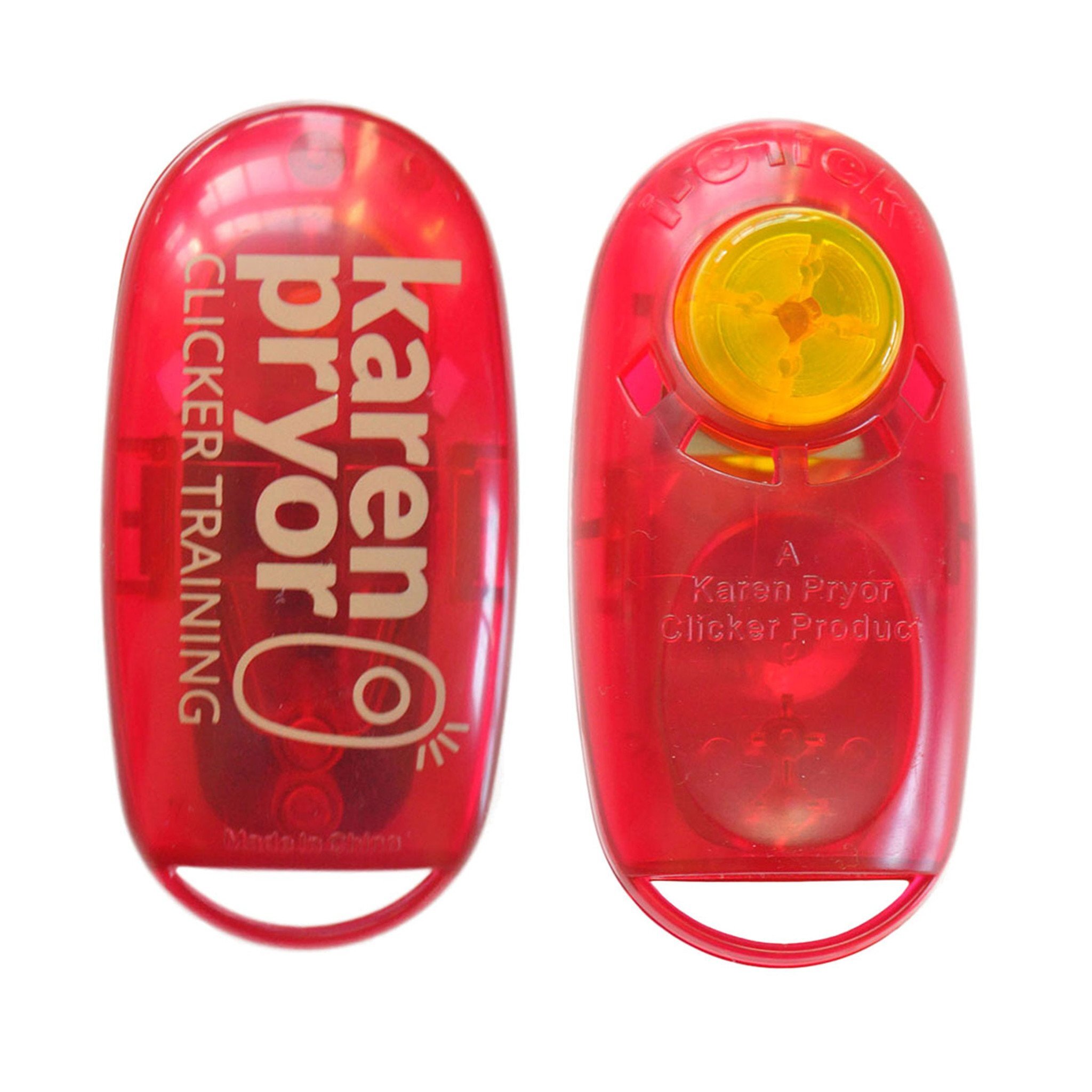
iClick clicker Softer sounding and easier to press than the old box clicker. Wrist coils are sold at the same site.
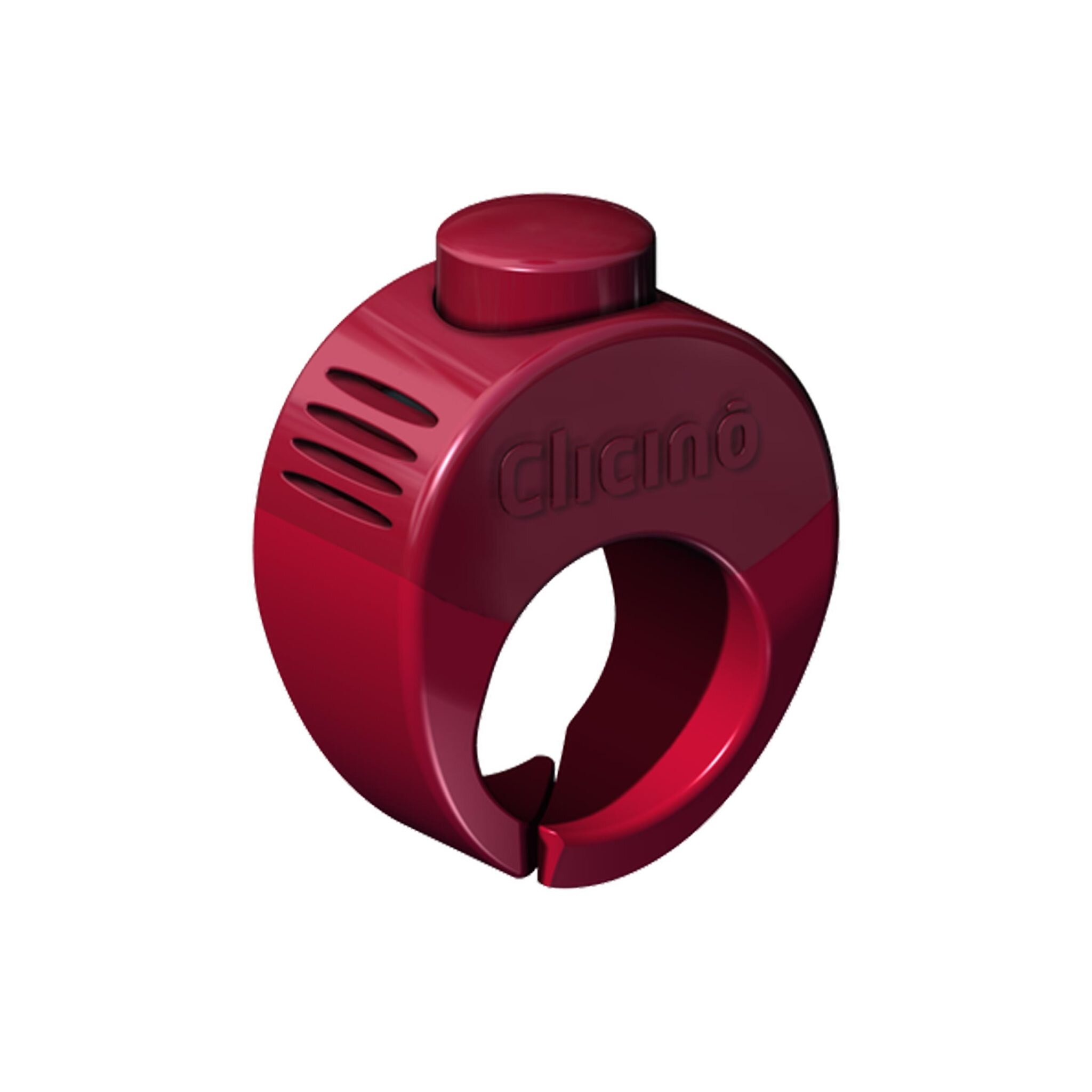
Clicino Clicker Ring No wrist coil needed! Just starting to try this out, but so far we suggest getting one that fits the base of the index finger on your clicker hand, where it can sit with the button facing your thumb.

Terry Ryan treat pouch The hinged pocket makes it really easy to get treats out in a timely way, though the hinges do tend to fail after a while.

Pet N Pet Treat Pouch Cut the drawstring bit out. But otherwise a great, roomy option that’s big enough to make a hinge feel unnecessary, and nice options for belt or over the shoulder wearning. Plus, no hinges means no concerns about just chucking it in the washing machine.
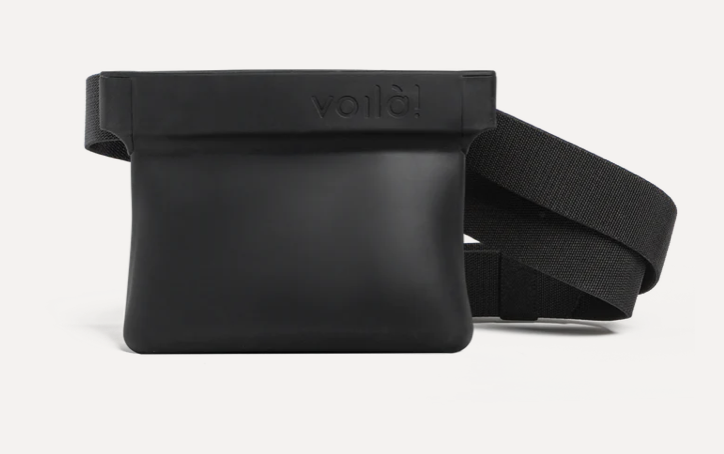
The Voila silicone hinged treat pouch was $$$ but I have a feeling it will pay for itself by outlasting several fabric treat pouches because it is washable. The fabric ones end up stinky after a while even if you wash them. The belt is also comfortable and easy to fit to whatever you are wearing or whoever is using it—so can be shared easily between family members, put on over and under coats without a lot of microadjusting, etc.

Happy Howie's Gourmet Meat Roll Beef or turkey is best; lamb is more crumbly. This link is to the manufacturer’s site, but you may be able to get better pricing elsewhere online, e.g., at Chewy.

On Cue Training Treats, new from Karen Pryor Clicker Training, have been a hit so far—good ingredients, tasty, easy to break into smaller pieces, hit the floor flat.

Bark Pouch Usually super high value, if you need that; can be “nursed” when distractions would be overwhelming; and as a bonus, easy to handle with gloves on in the winter. This is an affiliate link; you can use the code kikiyablon10 to get 10% off.
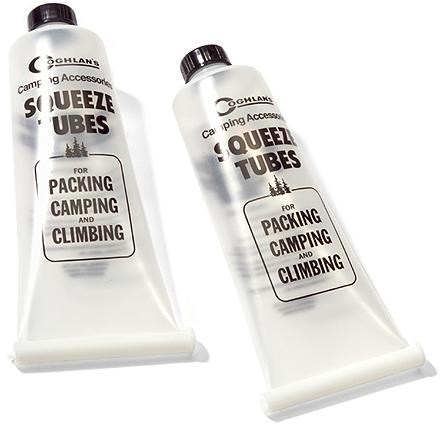
Coghlan's Squeeze Tubes Make your own food tubes; we recommend replacing the flimsy plastic clip with a large binder clip.

For smaller portions of lickable treats than the tubes, you can find many different brands of resealable squeeze pouches wherever you might shop for baby supplies.

Starmark Bob-a-Lot Love this toy for its versatility—it can take softer treats or kibble, and there are two ways to adjust difficulty. Three if you count leaving the top off to make it super easy at first.

Orbee Tuff Snoop Great food dispensing toy that’s easy to hand wash and doesn’t make a lot of noise on hardwood floors.

I don’t like the actual WOOF Pupsicle toy because it constantly gets cemented shut with dog saliva. But the silicone molds for the WOOF Pupsicle toy make frozen treat balls that fit neatly into the Orbee Tuff Snoop (h/t Ali Sutch for pointing this out)!

Toppl Wider mouth, to make things easier for novices, and more versatility than a Kong—you can put two together to make a toy that dispenses individual treats or a more challenging licking scenario.

Kong Ballistic Hide n’ Treat Kiki taught her dog to chase this, open it, then bring it back for another round.

Wyze Cam An inexpensive cam with capability for monitoring separation-related behavior. But during COVID-19, we discovered you can also use Zoom for this, and it’s free!

Puppy Start Right: Foundation Training for the Companion Dog by Kenneth and Debbie Martin. A well-organized, often bullet-pointed book by a veterinary behaviorist and KPA CTP/veterinary behavior technician. Get it before you bring a puppy home.

Puppy Socialization: What It Is And How to Do It by Marge Rogers and Eileen Anderson. Also points to lots of online resources.